
How to Grow Pineapple in Pots: 9 Easy Steps for Beginners
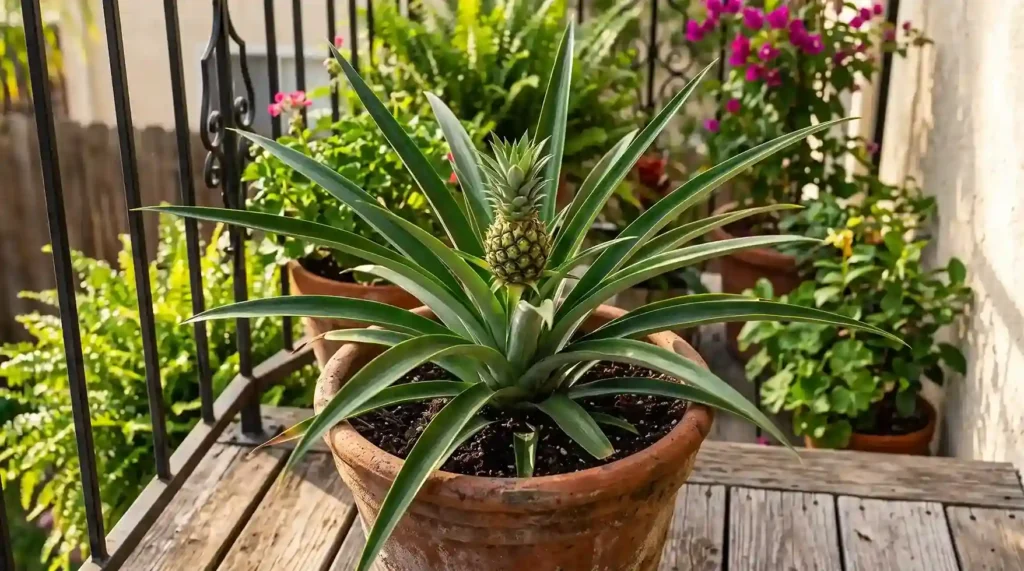
Growing your own pineapple at home sounds like the kind of project that belongs in a tropical backyard, but it’s actually much easier than most people expect. If you have a sunny balcony, patio, terrace, or even a bright corner indoors, you can grow a healthy pineapple plant in a pot without needing a big garden.
That’s one of the reasons pineapple is such a fun plant for beginners. It doesn’t take up much room, it looks beautiful with its spiky tropical leaves, and you can often start it using the crown from a store-bought pineapple. With a little patience and the right care, that same plant can eventually reward you with fruit.
In this guide, I’ll walk you through how to grow pineapple in pots, from choosing the right container and soil to watering, feeding, troubleshooting, and harvesting. If you’ve been wanting to try growing tropical fruit at home, this is a great place to start.
If you’re wondering how to grow pineapple in pots successfully, the key is to give the plant warmth, sunlight, and well-draining soil from the start.
Table of Contents
Why Growing Pineapple in Pots Is a Great Idea

If you’re short on space, growing pineapple in a pot makes a lot of sense. Pineapple plants stay fairly compact, so they’re well suited to balconies, patios, rooftops, and even sunny indoor spots. You don’t need a dedicated fruit garden to enjoy growing one.
Another big advantage is flexibility. Pineapples love warmth and sunshine, but they don’t enjoy cold weather or waterlogged soil. When the plant is growing in a container, you can move it to a brighter spot, protect it from heavy rain, or bring it indoors when temperatures start to dip.
And then there’s the fun factor. A pineapple plant is both ornamental and edible, which makes it more rewarding than many basic houseplants. Even before it fruits, it adds a tropical look to your space.
1. Choose the Right Pot for Your Pineapple

A pineapple plant doesn’t need an enormous container, but the pot you choose still matters. The roots need enough room to establish themselves, and the pot needs to be stable enough to support the plant as it grows taller and heavier.
If you’re planting a fresh pineapple crown, start with a pot that’s around 6 to 8 inches wide. Once the plant settles in and begins growing well, you can move it into a larger container. A mature pineapple plant usually does best in a 12-inch pot or a container that holds around 5 gallons.
The material is up to you. Terracotta works well if you tend to overwater because it dries out faster. Plastic is lighter and easier to move, which is useful if you need to bring the plant indoors during winter. Both can work well as long as the pot has one thing pineapple absolutely needs: good drainage.
Drainage matters more than the pot itself
Pineapples do not like sitting in wet soil. If excess water has nowhere to go, the roots can rot surprisingly quickly. That’s why the container should have several drainage holes at the bottom.
If you want to use a decorative planter without holes, the easiest workaround is to keep the pineapple in a smaller nursery pot inside it. That way you can take the plant out when watering and let all the extra water drain properly.
2. Use a Fast-Draining Soil Mix

If there’s one thing pineapple roots hate, it’s heavy, soggy soil. The right potting mix should drain quickly while still holding enough moisture to keep the plant from drying out too fast.
A good homemade mix for pineapples in pots is
- 2 parts potting soil
- 1 part perlite or coarse sand
- 1 part coco coir or peat moss
This gives you a mix that stays airy, drains well, and still offers some moisture retention. You can also add a little compost if you want to improve fertility, but don’t overdo it. Pineapple doesn’t need an overly rich, dense soil mix.
If you already have a cactus or succulent potting mix, that can be a good base too, especially if you add a small amount of compost or regular potting soil to balance it out.
When you touch the finished mix, it should feel loose and crumbly rather than heavy or sticky. That’s exactly what you want.
3. Start With a Healthy Pineapple Crown

One of the best parts about growing pineapple is that you can often start with the top of a fresh fruit from the grocery store. If the crown is healthy, there’s a good chance you can turn it into a new plant.
Choose a pineapple with fresh, green leaves in the crown. Avoid fruit with a dried-out, damaged, or rotting top if you plan to plant it.
How to prepare the pineapple crown
Start by twisting the leafy crown off the fruit, or cut it off with a knife if you prefer. Then remove a few of the lower leaves so that about 1 inch of stem is exposed at the base. If there’s any fruit flesh attached, trim it away so it doesn’t rot in the pot.
After that, let the crown dry for 5 to 7 days in a cool, airy spot. This step is easy to skip when you’re excited to plant, but it really helps. Letting the base dry and callus over reduces the risk of rot once the crown goes into the soil.
Some people root the crown in water first, but it’s not essential. Planting it directly into a well-draining potting mix works perfectly well.
4. Plant It at the Right Depth

Once the crown is ready, fill your pot with the prepared soil mix and make a hole in the center. Set the crown into the pot so the exposed stem is buried but the leaves stay above the soil line.
That part matters more than it seems. If you bury the plant too deeply, moisture can collect around the leaf base and increase the chance of rot. If you plant it too shallowly, the crown may wobble and struggle to root properly.
Press the soil gently around the base to hold it in place, but don’t pack it down hard. You want the crown to feel stable while still allowing air to move through the soil.
Watering after planting
Once the crown is planted, give the soil a light watering to settle everything into place. After that, take it easy. A newly planted pineapple crown doesn’t need constant moisture. In fact, it’s much safer to let the top inch or two of soil dry slightly before watering again.
In the first few weeks, your main job is to keep the environment warm, bright, and lightly moist, not wet.
When learning how to grow pineapple in pots, one of the biggest mistakes is overwatering the plant before the soil has had time to dry slightly.
5. Give It Plenty of Sunlight

Pineapple plants love sun. If they don’t get enough light, they won’t grow strongly, and they’re much less likely to fruit well later on.
Aim to give your pineapple at least 6 hours of direct sunlight a day. If you’re growing it outdoors, place it somewhere bright where it gets plenty of sun, especially in the morning and early afternoon. In very hot climates, a bit of light afternoon shade can help prevent leaf scorch.
If you’re growing pineapple indoors, put it in the brightest window you have. A south-facing window is ideal. East- or west-facing windows can work too, but growth may be slower if the plant doesn’t get enough direct light.
If your home is naturally dim, a grow light can make a big difference. Pineapple can tolerate less-than-perfect conditions for a while, but it really thrives when the light is strong.
6. Keep It Warm and Protect It From Cold

Pineapple is a tropical plant, which means warmth isn’t just a bonus; it’s part of the recipe for healthy growth. The plant grows best when temperatures stay between 65°F and 85°F (18°C to 29°C).
Once temperatures start dropping below that range, growth slows down. If it gets close to 50°F (10°C), the plant can suffer real damage.
This is where container growing really helps. Instead of hoping the weather behaves, you can simply move the plant. During warm months, it can live outside in bright sun. When nights begin turning cool, bring it indoors before the cold sets in.
Try to avoid placing the plant near cold drafts, air conditioners, or heater vents. Sudden temperature swings can stress it out even if the room itself seems warm enough.
7. Water Carefully: Pineapples Don’t Like Wet Soil

Overwatering is one of the fastest ways to lose a pineapple plant in a pot. Pineapples are more forgiving of slight dryness than constant wetness, so it’s always better to check the soil first instead of watering on autopilot.
A good rule is to water when the top 1 to 2 inches of soil feels dry. In hot weather, that may mean watering roughly once a week. In cooler weather, it could be every 10 to 14 days, or even less if the plant is indoors and not actively growing much.
When you do water, water thoroughly until excess moisture drains from the bottom of the pot. Then empty the saucer or tray so the roots aren’t left sitting in water.
Signs your pineapple may need water
Watch for these signs:
- dry or curling leaf tips
- drooping leaves
- very dry soil pulling away from the sides of the pot
Signs you may be overwatering
Too much water usually shows up as:
- yellowing leaves
- a soft or mushy stem base
- sour-smelling soil
- fungus or mold on the soil surface
If you’re unsure whether it’s time to water, wait one more day and check again. Pineapple is one of those plants that rewards restraint.
8. Feed It Lightly During the Growing Season

Pineapple plants aren’t especially heavy feeders, but they do appreciate occasional fertilizer while they’re actively growing. A little feeding helps support healthy leaves, steady growth, and eventually fruit production.
Use a balanced fertilizer, such as 10-10-10, diluted to half strength. Feed the plant once a month during spring and summer. When growth slows in cooler months, reduce feeding or stop entirely until the plant starts actively growing again.
If you prefer organic options, a gentle liquid seaweed or fish emulsion fertilizer can work too- just use it lightly. It’s much easier to overfeed a pineapple in a pot than it is to underfeed one.
The goal isn’t to push fast growth. It’s simply to keep the plant healthy and steadily developing over time.
9. Watch for Common Problems Early

Pineapple plants are fairly low-maintenance, but like any container plant, they can run into trouble if the conditions are off. The good news is that most problems are easy to fix once you know what to look for.
Yellow leaves
A few older leaves turning yellow near the bottom of the plant is normal. But if the whole plant starts looking pale or yellow, check the basics first:
- Is the plant getting too much water?
- Is it sitting in dim light?
- Has the soil stayed soggy for too long?
- Has it gone months without feeding during the growing season?
Correcting the watering routine and improving light solves a surprising number of pineapple problems.
Root rot
Root rot is the biggest risk for pineapple in pots, and it almost always comes back to poor drainage or overwatering. If the plant feels soft at the base, smells unpleasant, or seems to collapse despite moist soil, take it out of the pot and inspect the roots.
Trim away anything mushy or dark, then repot the plant in fresh, airy soil and a container with proper drainage holes.
Pests
Pineapple plants can occasionally attract mealybugs, scale, or spider mites. If you spot pests, isolate the plant and wipe the leaves with a damp cloth. For mild infestations, neem oil or insecticidal soap usually does the trick.
The earlier you catch pests, the easier they are to deal with.
How Long Does It Take to Grow a Pineapple in a Pot?

This is the part that tests your patience a little. Pineapple is not a fast-growing fruit crop.
If you start with a crown, it often takes 18 to 24 months for the plant to mature enough to fruit and sometimes longer depending on light, temperature, and overall care. Once the plant flowers, the fruit itself usually takes another 5 to 6 months to ripen.
So no, this isn’t a quick-win gardening project. But it is a satisfying one. There’s something special about watching a plant you started from a kitchen pineapple top slowly turn into a fruiting plant over time.
How to Tell When a Pineapple Is Ready to Harvest

A ripe pineapple usually gives you a few clear clues. The fruit starts turning golden-yellow from the bottom upward, the aroma becomes noticeably sweeter, and the fruit gives just slightly when you press it gently.
Try not to harvest too early. Pineapples don’t continue sweetening much after they’re picked, so waiting until the fruit is fully ripe makes a big difference in flavor.
Signs your pineapple is ready
- golden-yellow color developing from the base upward
- sweet fragrance near the fruit
- slight softness when gently squeezed
- healthy, mature-looking fruit with good color
| Temperature | Effect on Pineapple |
| Below 50°F (10°C) | Plant may be damaged or die |
| 50-60°F (10-15°C) | Growth slows and the plant becomes stressed |
| 65-85°F (18-29°C) | Ideal growing range |
| Above 95°F (35°C) | Plant may need extra water and some afternoon shade |
How to Harvest a Pineapple

When your pineapple is ready, harvesting is simple. Wear gloves if the leaves are sharp, then either twist the fruit gently or cut it off with a clean knife, leaving a small piece of stem attached.
After the fruit is harvested, don’t throw the plant away immediately. The main plant often produces small offshoots, sometimes called pups, around the base. Those can be removed and replanted to start the next generation of pineapple plants.
That’s one of the nicest parts of growing pineapple at home: one plant can often lead to more.
What to Expect From Your First Homegrown Pineapple

Your first pineapple may not look exactly like the large ones stacked at the supermarket, and that’s completely normal. Container-grown fruit is often smaller, especially when the plant has been grown in a limited space.
But size isn’t everything here. A homegrown pineapple picked at the right moment can be wonderfully sweet, fragrant, and far more satisfying than something bought in a store.
And honestly, the fruit is only part of the reward. The whole process from rooting the crown to watching the plant mature makes this a genuinely enjoyable project for anyone who likes growing food at home.
Final Thoughts on Growing Pineapple in Pots
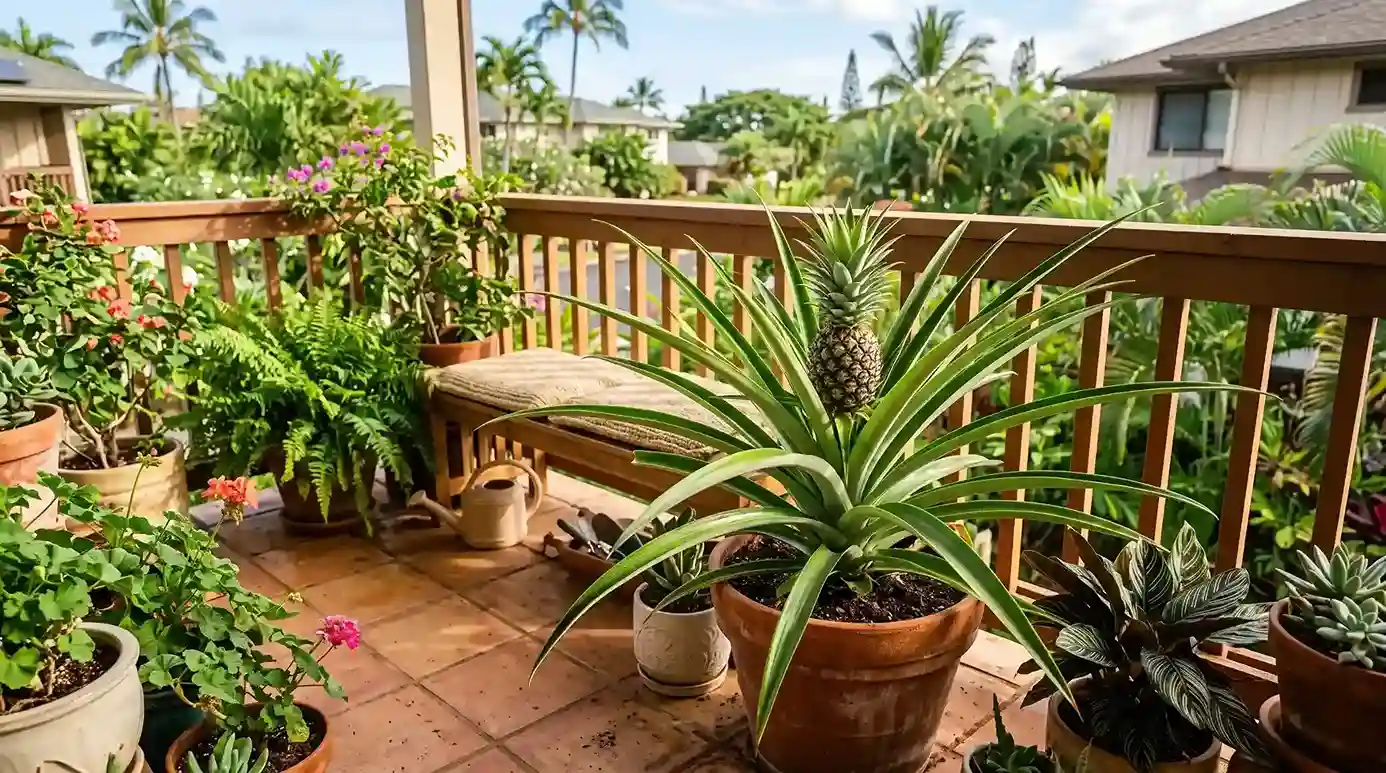
If you’ve been wondering whether pineapple is too difficult to grow at home, the answer is no. It just asks for the right basics: a pot with good drainage, a light soil mix, plenty of sunshine, warm temperatures, and a careful hand with watering.
That’s really the heart of it.
Pineapple is one of those plants that rewards patience more than constant fussing. It doesn’t need a giant garden or complicated equipment. Give it a bright spot, don’t drown it, and let it take its time. Before long, you’ll have a striking tropical plant and, with a bit of luck and consistency, a homegrown pineapple to show for it too.
Once you understand how to grow pineapple in pots, it becomes one of the most rewarding tropical fruit plants to grow at home.
Frequently Asked Questions About Growing Pineapple in Pots
Can pineapple really grow well in pots?
Yes. Pineapple grows very well in pots as long as it gets enough sunlight, warmth, and well-draining soil. In fact, container growing is one of the easiest ways to grow pineapple at home.
How long does it take to grow a pineapple in a pot?
If you start from a crown, it usually takes 18 to 24 months to get fruit, though it can take longer depending on your climate and care.
What size pot is best for a pineapple plant?
Start with a 6 to 8 inch pot for a fresh crown, then move up as the plant grows. A mature pineapple plant usually does well in a 12-inch pot or a 5-gallon container.
Can I grow pineapple indoors?
Yes, as long as it gets plenty of bright light. A sunny south-facing window is ideal, and a grow light can help if natural light is limited.
How often should I water a pineapple plant in a container?
Water when the top 1 to 2 inches of soil feels dry. In summer that may be about once a week, while in winter it’s usually less often.
Do pineapple plants need fertilizer?
Yes, but lightly. A balanced fertilizer at half strength once a month during the growing season is usually enough.
Can I grow a pineapple from the top of a store-bought fruit?
Absolutely. A healthy pineapple crown can be planted and grown into a new plant, which is one of the easiest ways to start.

