
How to Grow Pomegranate Plants at Home: Easy Care Guide for Beginners
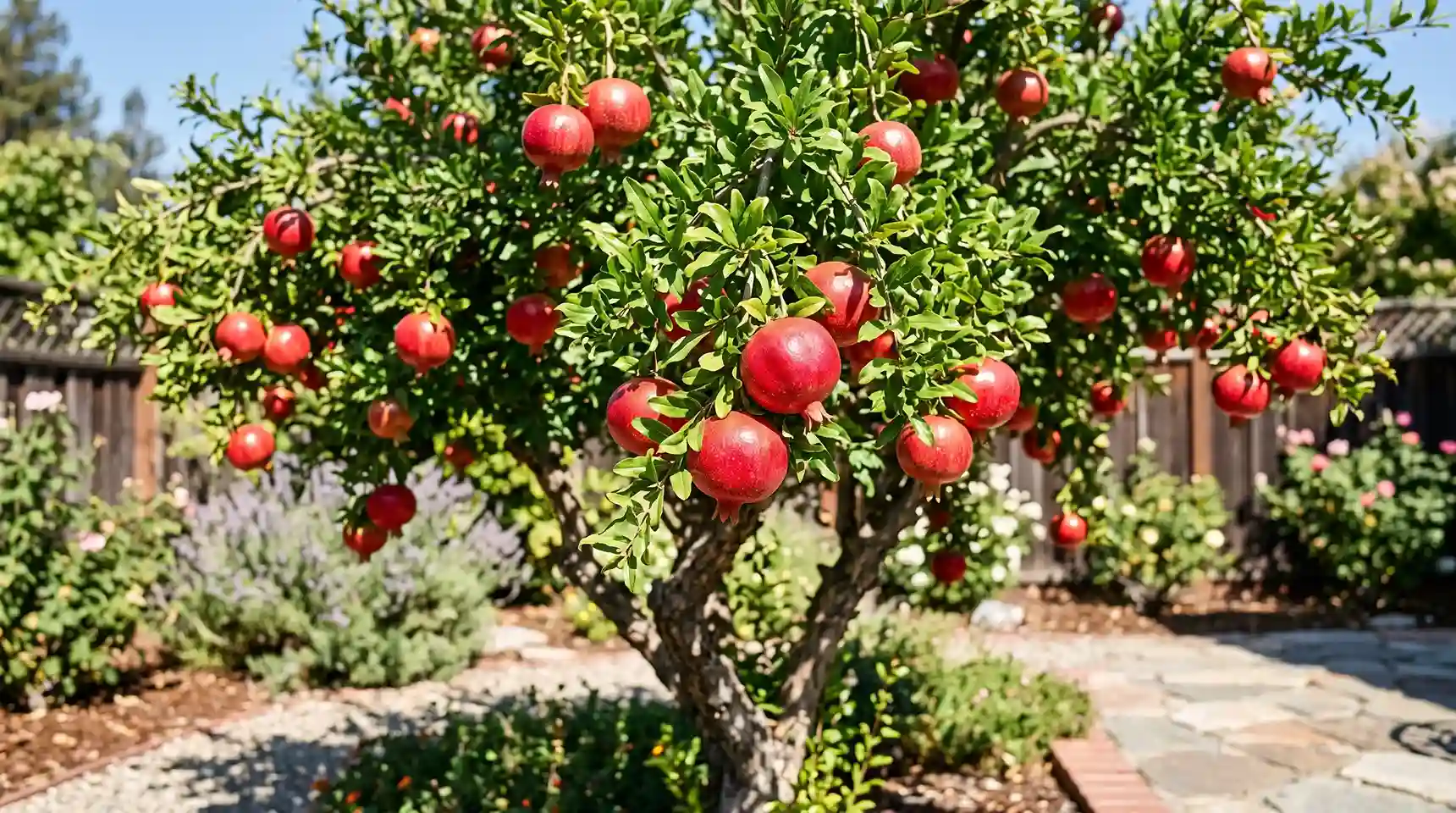
How to Grow Pomegranate Plants: The Complete Beginner’s Guide
Growing your own pomegranate plant is one of the most rewarding projects a home gardener can take on. Unlike many fruit trees that demand constant attention, pomegranates are surprisingly forgiving once they’re established. Give them plenty of sunshine, well-draining soil, and occasional care, and they’ll reward you with vibrant flowers, glossy foliage, and delicious ruby-red fruit.
Whether you have a spacious backyard or only a sunny patio, pomegranate plants can thrive in the right conditions. Many gardeners are surprised to learn that these hardy plants tolerate drought better than most fruit trees and can even be grown successfully in large containers.
In this guide, I’ll walk you through everything you need to know from choosing the right variety to harvesting your first crop so you can enjoy healthy, productive pomegranate plants for years to come.
Table of Contents
Why Grow Pomegranate Plants?

Pomegranate plants have been cultivated for thousands of years, and it’s easy to understand why they’ve remained popular. They combine beauty, resilience, and productivity in a way that few fruit plants can.
During spring and early summer, brilliant orange-red flowers brighten the branches. As the season progresses, those blossoms develop into distinctive round fruits packed with juicy, jewel-like seeds.
One of the biggest advantages of growing pomegranates is that they don’t require constant attention. Once established, they tolerate dry conditions far better than many other fruit trees, making them an excellent choice for gardeners who want a productive plant without spending every weekend maintaining it.
They’re also remarkably versatile. A pomegranate can be grown as:
- a small ornamental tree
- a productive backyard fruit tree
- a decorative hedge
- a container plant for patios and balconies
If you’re looking for a fruit plant that combines attractive foliage, colorful flowers, and delicious harvests with relatively low maintenance, pomegranates are hard to beat.
🌿 Pro Tip
New gardeners often assume fruit trees are difficult to grow. Pomegranates are actually one of the easiest fruiting plants to start with because they’re naturally resilient and adapt well to different growing conditions.
Choosing the Right Pomegranate Variety

Not every pomegranate variety grows the same way, so choosing the right one from the beginning will make your gardening experience much easier.
If your goal is producing sweet fruit for fresh eating, select a well-known fruiting variety suited to your climate. If space is limited, dwarf varieties perform exceptionally well in containers while still producing attractive flowers and edible fruit.
Before buying a plant, check:
- whether the variety suits your local climate
- its mature height and spread
- whether it’s primarily ornamental or fruit-producing
- its cold tolerance
Starting with a healthy nursery-grown plant gives you the best chance of success. Look for vibrant green leaves, sturdy stems, and a well-developed root system. Avoid plants showing yellow leaves, damaged branches, or signs of pests.
⚠️ Common Beginner Mistake
Many people buy the first pomegranate they see without checking the mature size. Some varieties stay compact, while others grow into large shrubs or small trees. Always choose a variety that fits the space you have available.
Where Pomegranate Plants Grow Best

Pomegranates love sunshine. In fact, the amount of direct sunlight your plant receives is one of the biggest factors influencing flowering and fruit production.
Choose a location that receives at least six to eight hours of direct sunlight every day. More sunlight generally means better flowering, healthier growth, and sweeter fruit.
These plants also appreciate warm temperatures and good air circulation. While mature trees tolerate short dry spells remarkably well, young plants benefit from consistent watering until they become established.
If you live in a region with harsh winters, consider growing your pomegranate in a large container. This allows you to move it into a protected location during freezing weather.
| Requirement | Recommendation |
|---|---|
| Sunlight | 6–8+ hours daily |
| Soil | Well-draining |
| Water | Moderate |
| Fertilizer | Spring & Summer |
| Climate | Warm, sunny |
| Container Growing | Excellent |
Planting Your Pomegranate Correctly

Planting your pomegranate correctly gives it the best possible start. While these plants are quite forgiving, taking a little extra care during planting will help them establish faster and produce healthier growth.
Dig a hole that’s about twice as wide as the root ball but no deeper than the container the plant came in. This allows the roots to spread naturally without settling too deeply.
After placing the tree in the hole:
- Backfill with loose, well-draining soil.
- Gently firm the soil around the roots.
- Water thoroughly to remove air pockets.
- Add a layer of mulch, keeping it a few inches away from the trunk.
Avoid planting too deeply. The top of the root ball should sit level with the surrounding soil.
🌿 Pro Tip
Planting in spring or early fall gives roots time to establish before extreme temperatures arrive.
Choosing the Best Soil

Pomegranates aren’t fussy about soil, but they absolutely dislike waterlogged roots.
The ideal soil should be:
- Well-draining
- Slightly sandy or loamy
- Rich in organic matter
- Slightly acidic to neutral (around pH 5.5–7.0)
If your garden has heavy clay soil, improve drainage by mixing in compost and coarse sand before planting.
Healthy soil encourages stronger roots, which leads to better flowering and fruit production later on.
⚠️ Common Mistake
Many beginners assume adding more water solves every problem. In reality, poor drainage is one of the quickest ways to damage a pomegranate plant.
Watering Without Overdoing It

Pomegranate plants are naturally drought-tolerant once established, but that doesn’t mean they never need water.
Young plants require regular watering during their first growing season. Once mature, watering can be reduced, especially if rainfall is consistent.
Rather than watering on a fixed schedule, check the soil first.
Water when:
- the top 2–3 inches of soil feel dry
- leaves begin to lose firmness during prolonged dry weather
- fruit starts developing during summer
Reduce watering during winter when growth naturally slows.
🌿 Pro Tip
Deep watering every so often is much better than frequent shallow watering. Deep watering encourages roots to grow downward, making the plant more resilient during dry periods.
Giving Your Plant Enough Sunlight

Sunlight is one of the biggest factors influencing fruit production.
Aim for at least 6–8 hours of direct sunlight every day.
Plants grown in partial shade may survive, but they usually produce fewer flowers and smaller harvests.
If you’re growing your tree in a container, don’t hesitate to move it occasionally to the sunniest spot available.
Fertilizing for Healthy Growth

Pomegranates don’t need heavy feeding.
A balanced fertilizer applied during spring and early summer is usually enough to encourage healthy growth.
Too much fertilizer often produces lush leafy growth but fewer flowers and fruit.
Apply fertilizer evenly around the drip line, not directly against the trunk, and water afterward.
⚠️ Avoid This
More fertilizer does not mean more fruit.
Overfeeding often delays flowering.
Pruning Pomegranate Plants

Pruning helps improve air circulation, encourages healthy new growth, and keeps your tree manageable.
Late winter is generally the best time to prune before new spring growth begins.
Remove:
- dead branches
- damaged wood
- crossing branches
- suckers growing from the base
Light annual pruning is usually enough.
Avoid removing too much healthy growth in one season.
Growing Pomegranate Plants in Pots

Don’t let limited garden space stop you from growing pomegranates. Many varieties perform exceptionally well in large containers, making them a great choice for patios, balconies, and small backyards.
Choose a container that’s at least 18–24 inches wide with plenty of drainage holes. A terracotta or heavy ceramic pot works well because it provides stability and allows excess moisture to evaporate.
Container-grown plants dry out more quickly than those in the ground, so check the soil regularly during hot weather. Water deeply when the top few inches feel dry, but avoid letting the roots sit in soggy soil.
Repot every three to four years or when roots begin circling the inside of the pot.
🌿 Pro Tip
Rotate the container every couple of weeks so all sides of the plant receive even sunlight. This encourages balanced growth and prevents the tree from leaning toward one direction.
Common Problems and Easy Solutions

Even hardy plants can run into occasional problems. The good news is that most issues are easy to fix when caught early.
| Problem | Likely Cause | Simple Solution |
|---|---|---|
| Yellow leaves | Overwatering | Allow the soil to dry before watering again. |
| Poor flowering | Too little sunlight | Move the plant to a brighter location. |
| Small fruit | Lack of water during fruit development | Water consistently while fruit is growing. |
| Leaf drop | Seasonal change or stress | Check watering, temperature, and sunlight. |
| Aphids or scale insects | Common garden pests | Wash leaves and treat with horticultural soap or neem oil if needed. |
⚠️ Common Beginner Mistake
Many gardeners panic when a few older leaves turn yellow. This is often part of the plant’s normal growth cycle. Focus on the overall health of the tree rather than a few aging leaves.
When Will Your Tree Produce Fruit?

One of the most common questions beginners ask is, “How long will it take before I get fruit?”
If you purchase a young nursery-grown plant, you may see flowers within one to two years. Fruit production usually becomes more reliable after two to three growing seasons, depending on the variety and local conditions.
Patience is important. A healthy tree will gradually increase its harvest each year as it matures.
Harvesting Pomegranates

Unlike bananas or mangoes, pomegranates do not continue ripening after they’re picked. That’s why it’s important to harvest them only when they’re fully mature.
Signs your fruit is ready include:
- Rich, deep color
- A slightly flattened shape
- A metallic sound when gently tapped
- Heavy weight for its size
Use clean pruning shears to cut the fruit rather than pulling it from the branch.
🌿 Pro Tip
Harvest on a dry day whenever possible. Dry fruit stores better and is less likely to develop surface mold during storage.
Health Benefits of Pomegranates

Pomegranates are valued not only for their flavor but also for their impressive nutritional profile.
They provide:
- Vitamin C
- Vitamin K
- Potassium
- Fiber
- Natural antioxidants
The bright red arils contain plant compounds that have been widely studied for their antioxidant properties.
For the greatest nutritional benefit, enjoy the entire aril, including the edible seed inside.
Delicious Ways to Enjoy Your Harvest

Fresh pomegranates are incredibly versatile in the kitchen.
Some of my favorite ways to enjoy them include:
- Sprinkling the seeds over yogurt or oatmeal
- Adding them to fresh salads
- Blending them into smoothies
- Making homemade pomegranate juice
- Preparing pomegranate salsa for grilled fish or chicken
- Reducing the juice into homemade pomegranate molasses
If you have more fruit than you can eat fresh, freeze the arils in airtight containers. They’ll stay in excellent condition for several months and are perfect for smoothies or desserts.
Frequently Asked Questions
Can pomegranate plants grow in pots?
Yes. Dwarf and compact varieties grow exceptionally well in large containers as long as they receive plenty of sunlight and good drainage.
How much sunlight does a pomegranate plant need?
Aim for at least 6–8 hours of direct sunlight each day for the healthiest growth and best fruit production.
How often should I water my pomegranate tree?
Water when the top few inches of soil feel dry. Young trees need more frequent watering than established plants.
When will my tree produce fruit?
Most nursery-grown trees begin producing fruit within 2–3 years, although this varies by variety and climate.
Can pomegranates survive winter?
Mature plants tolerate light frost, but young trees should be protected during severe cold. Container-grown plants can be moved indoors or to a sheltered location when temperatures drop below freezing.
Final Thoughts
Growing pomegranate plants is one of the most rewarding ways to enjoy fresh fruit at home. They’re attractive, resilient, and surprisingly easy to care for once established.
With plenty of sunshine, well-draining soil, sensible watering, and a little patience, your tree can reward you with beautiful flowers and delicious fruit for many years.
Whether you plant one in your backyard or grow it in a large container on your patio, it’s a worthwhile addition to almost any home garden.

