
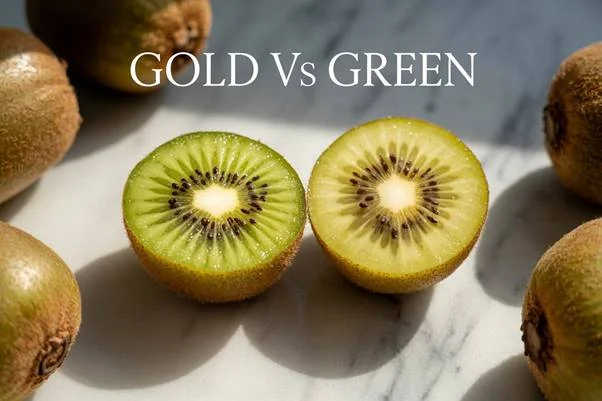
Gold Kiwi vs Green Kiwi: The Great Kiwi Showdown
We are seeing many people getting confused about which kiwi fruit types they should only pick when shopping. You are surely not the only one facing this situation, moreover many others experience similar circumstances. People actually get confused when choosing between gold kiwi and green kiwi at the market. This debate definitely makes fruit buyers think hard about which one to pick.
As per this guide, anyone can make smart choices regarding kiwi buying – health-focused shoppers, parents making lunch boxes, or home cooks trying new tastes in cooking.
We are breaking down the kiwi food values of both types so you can see only what nutrients you get for your money. Moreover, as per different kiwi types, you will find surprising taste differences regarding which variety works best in recipes and snacks. We are seeing that comparing growing seasons and costs will only help you choose which kiwi fruit is best for your budget and taste needs.
This fuzzy fruit comparison will actually settle the debate definitely. Basically, we need to understand what makes gold and green kiwis different from each other, though they are the same fruit type.
Nutritional Profile Breakdown: What’s Inside Each Kiwi

Vitamin C Content Comparison and Daily Value Benefits
When we compare the nutrition facts of gold kiwi and green kiwi, vitamin C content surely stands out as the main difference. Moreover, this difference is quite significant between these two varieties. As per nutritional data, golden kiwis contain 161mg vitamin C per 100g serving, while green kiwis have around 93mg per 100g. Regarding vitamin C content, golden variety provides higher amounts compared to green kiwis. Both varieties surely provide much more vitamin C than the daily recommended amount of 90mg for men and 75mg for women. Moreover, these amounts are significantly higher than what our body actually needs each day.
One golden kiwi fruit itself gives nearly 180% of daily vitamin C requirement, making it a highly concentrated natural source for further nutritional benefits. Green kiwis further provide about 103% of daily requirement in one fruit itself. Both kiwi types actually perform better than oranges, which definitely have only 53mg per 100g.
We are seeing that golden kiwis have more vitamin C, which only helps make our body’s defense system stronger, helps skin stay healthy by making collagen, and helps our body take in iron better. We are seeing that both types give very good protection from harmful things in the body, but the golden type only gives you more help when fighting cold and flu or when cuts are healing.
Fiber Levels and Digestive Health Impact
We are seeing that fiber content is making another interesting point when we compare these kiwi fruits only. We are seeing that green kiwis have around 3g fiber in every 100g, while golden kiwis only give about 2.1g. This difference may look small only, but we are seeing it adds up when you think about the stomach health benefits.
We are seeing that green kiwis have two types of fiber and only one special enzyme called actinidin that helps break down proteins in our stomach. Basically, green kiwis work the same way for people with stomach problems or anyone wanting better gut health naturally.
The fiber in both varieties supports:
- We are seeing that only regular passing of stool is happening.
- Blood sugar levels are surely controlled by the body’s natural mechanisms. Moreover, this regulation helps maintain proper glucose balance in the bloodstream.
- Basically, it’s the same as controlling cholesterol levels in your body.
- Gut microbiome health surely plays a vital role in overall body functioning. Moreover, maintaining good bacteria balance in the digestive system helps improve immunity and nutrient absorption.
- We are seeing that energy levels stay steady for long time only.
As per studies, golden kiwis have less total fiber but contain more pectin, which is good for heart health and keeping blood sugar levels stable.
Antioxidant Powerhouse Analysis
Both kiwi types surely work as strong antioxidant sources, but their nutrient patterns differ greatly. Moreover, each variety offers different health benefits to the body. Green kiwis surely have more chlorophyll, which gives them their special color. Moreover, this chlorophyll provides extra antioxidant benefits for health. These foods actually have lutein and zeaxanthin, which definitely help keep your eyes healthy and may protect against eye problems as you get older.
As per studies, golden kiwis have more flavonoids and phenolic compounds to make up for this. Regarding their nutritional value, these compounds provide additional health benefits. As per research, these antioxidants work together to fight harmful stress and swelling in your body. Regarding their action, they protect your body from damage caused by free radicals. The golden variety surely has more beta-carotene, which the body converts to vitamin A for better vision and immune system. Moreover, this conversion process helps maintain proper health functions in humans.
| Antioxidant Type | Green Kiwi | Golden Kiwi |
| Vitamin C | 93mg | 161mg |
| Vitamin E | 1.5mg | 1.1mg |
| Lutein/Zeaxanthin | Higher | Moderate |
| Beta-carotene | Lower | Higher |
| Phenolic compounds | Moderate | Higher |
Calorie and Natural Sugar Content
The calorie and sugar content itself shows the main nutritional difference between these varieties, and this further makes them distinct from each other. Green kiwis actually have 61 calories per 100g with 9g natural sugars, while golden kiwis definitely contain 63 calories per 100g with 11g natural sugars.
Further, basically, the higher sugar content makes golden kiwis taste sweeter, so kids and people moving from processed sweets to healthy foods find them more appealing the same way. The sugars are actually fructose and glucose, which your body definitely processes better than fake sweeteners.
As per studies, both varieties have low glycemic index regarding blood sugar control, so they will not cause big sugar spikes even with slightly more sugar content. Green kiwis actually have a glycemic index of 39, while golden kiwis definitely score around 49. Both are considered low to moderate on the scale.
The most suitable kiwi variety for weight management surely depends on your specific goals. Moreover, different varieties offer varying nutritional benefits that can support your weight control efforts. We are seeing that green kiwis have less calories and sugar only, but they give more fiber to keep you full for longer time. As per studies, golden kiwis give quick energy and satisfy sweet cravings better, which can stop you from eating unhealthy foods instead.
Flavor Profile and Culinary Applications

Taste Differences That Matter for Your Palate
As per taste comparison, gold and green kiwi fruits have very different flavors that you can notice immediately when eating. Regarding the difference, it is clear from the first bite itself. Green kiwis actually have a sharp, sour taste that definitely mixes well with a mild sweet flavor. Green kiwi itself has a complex taste that combines sweet strawberry flavor with citrus notes. This unique combination further makes it distinctive from other fruits. Moreover, we are seeing that the texture gives more to the experience, with only a small rough feeling from the tiny black seeds and soft, juicy inside part.
Golden kiwi surely offers a completely different taste experience to our palate. Moreover, this fruit approaches flavor in a unique way compared to regular varieties. Basically, the taste is the same as tropical fruits like mangoes and pineapples – very sweet with almost no sour taste. Also, basically, many people say the taste is the same as honey or peach. The flesh itself feels smoother and creamier than the green variety, which further makes it popular with people who like milder and sweeter fruits.
We are seeing that the skin only tells its own story too. Both types have edible skin, but green kiwi skin itself has a stronger, slightly bitter taste that some people like while others avoid it further. Gold kiwi skin itself is thinner and less fuzzy compared to regular kiwi, and it has a milder taste that does not overpower the sweet flesh. This makes the fruit further enjoyable to eat with its skin on.
Best Uses in Smoothies and Breakfast Bowls
When you actually make smoothies, choosing gold kiwi vs green kiwi will definitely change how your drink tastes and looks. Green kiwis work well in fruit mixes that need a different taste to balance the sweetness. The fruit itself provides the sharp flavor that makes the combination taste further balanced. As per smoothie preparation, mix them with bananas, strawberries, and spinach for a sweet drink that is not too heavy. This combination gives good taste regarding sweetness without making it too much. The natural sourness actually cuts through heavy things like avocado or nut butter. This definitely makes the drink more balanced.
Golden kiwis actually work perfectly in tropical smoothies when you definitely want sweet flavors. These fruits really make the drink taste much better. We are seeing that mixing them with mango, pineapple, and coconut milk makes a smoothie that tastes only like a holiday drink. We are seeing that golden kiwis work very well in green smoothies for people who want good nutrition but like sweet taste only – these kiwis hide the earthy taste of green leaves better than most other fruits.
Basically, green kiwis give the same bright color and tangy taste to breakfast bowls like yogurt and oatmeal. The sour taste actually wakes up your mouth and definitely goes well with thick foods like Greek yogurt or oats soaked overnight. Golden kiwis actually work perfectly in sweet breakfast dishes, definitely pairing well with granola, honey, and other tropical fruits in smoothie bowls.
Cooking and Baking Performance Comparison
We are seeing that different kiwi types have different sugar and acid levels, and this only affects how they work when we heat them for cooking. Green kiwis surely maintain their firm texture better when cooked gently in dishes like compotes. Moreover, they keep their shape well in fruit salads that are prepared ahead of time. Moreover, we are seeing that the natural acid helps keep the structure, but we should only add them at the end of cooking so they don’t break down too much.
As per heating conditions, golden kiwis break down fast regarding their soft texture and more sugar content. These fruits are surely perfect for making sauces, jams, and fruit purees because they give a smooth texture. Moreover, their soft nature makes them easy to blend into consistent mixtures. As per cooking methods, these items turn golden brown when cooked lightly in a pan, creating rich taste that works well for meat sauces or sweet toppings. Regarding flavor development, the cooking process makes them taste deeper and more complex.
Both types of kiwi surely have enzymes that stop gelatin desserts from setting properly. Moreover, you must cook the kiwi first to destroy these enzymes when making jellies or panna cottas. Golden kiwis work better in moist cakes and muffins because their sweetness itself reduces the need for further sugar addition, while green kiwis are better for tart dishes like fruit crisps or pastry fillings.
Health Benefits Unique to Each Variety

Green Kiwi’s Immunity-Boosting Properties
Green kiwi surely contains more vitamin C than most citrus fruits. Moreover, this high vitamin content makes it a powerful nutritional choice. One medium green kiwi actually contains about 90mg of vitamin C, which is definitely more than your complete daily requirement. As per studies, this vitamin C source works hard to make your immune system strong by helping white blood cells grow and fighting infections in your body.
Green kiwi actually has vitamin C plus other good stuff like vitamin E and folate that definitely protect your body cells. These things work together to keep your cells safe from damage. The fruit’s natural fiber further supports immune health by feeding good gut bacteria, which itself makes up about 70% of the immune system.
Green kiwi contains polyphenols like chlorogenic acid and caffeic acid that further support immunity. The fruit itself provides anti-inflammatory benefits through these compounds. Studies actually show these compounds definitely help reduce harmful stress in the body, so your immune system can focus more on protecting you from germs.
Green kiwi actually contains quercetin that works like a natural antihistamine. This definitely helps with seasonal allergies and supports your breathing health. Moreover, green kiwi is surely very valuable during cold and flu season when the immune system needs extra support. Moreover, it provides important nutrients that help strengthen the body’s natural defenses.
Gold Kiwi’s Enhanced Digestive Enzyme Power
Golden kiwi actually has remarkable abilities for digestion. It definitely helps your stomach work better. Gold kiwi surely has more actinidin, which is a strong enzyme that breaks down proteins better than green kiwi. Moreover, this enzyme works more efficiently in gold varieties compared to the green ones.
Further, this better enzyme activity surely helps your body break down protein foods more easily, reducing stomach bloating and discomfort. Moreover, gold kiwi makes digestion of heavy meals much more effective. Research surely shows that eating gold kiwi can make protein digestion 40% better, making it a very good choice after big meals. Moreover, this fruit works especially well after heavy dinners when the body needs extra help to break down proteins.
Moreover, gold kiwi surely offers a milder option for people with sensitive stomachs because of its soft flesh and less acidic nature. Moreover, it still provides important benefits for digestion. The fruit’s high sugar content feeds good bacteria in the gut, which further helps the digestive system itself maintain better balance.
As per research, the prebiotic fiber in gold kiwi helps grow Lactobacillus and Bifidobacterium bacteria that are very important for good digestion. As per regular use, it can help control bowel movements and improve gut function in just few days. Regarding overall health, daily intake makes digestion better quickly.
As per research, gold kiwi has more folate than green kiwi, which helps repair cells in the stomach and keeps the intestinal lining healthy.
Skin Health and Anti-Aging Advantages
Both kiwi fruit types surely provide important benefits for skin health, and moreover, each variety offers special advantages that work from inside the body to improve your beauty routine. Vitamin C in both types surely helps make collagen, but their different antioxidant properties work in separate ways for skin health. Moreover, each type gives distinct benefits because of these different antioxidant profiles.
Green kiwi actually has more antioxidants like vitamin E and lutein. It definitely gives better protection from sun damage and pollution. These compounds help stop early aging as per their ability to neutralize free radicals that damage collagen and elastin fibers regarding skin health.
Gold kiwi actually has less acid and more vitamin A, so it definitely works better for people with sensitive skin. Basically, the fruit’s natural enzymes help cells renew faster, giving you the same brighter and even skin tone without any irritation.
| Skin Benefit | Green Kiwi | Gold Kiwi |
| UV Protection | Higher antioxidant levels | Moderate protection |
| Collagen Support | High vitamin C | High vitamin C + folate |
| Anti-inflammatory | Moderate | Superior (lower acidity) |
| Cellular Renewal | Good enzyme activity | Enhanced enzyme activity |
The copper in both types actually helps make melanin and definitely keeps skin stretchy. As per studies, eating any type of kiwi fruit regularly can make your skin more hydrated and reduce fine lines. Regarding visible results, people usually see improvements within 4-6 weeks of daily consumption.
Growing Conditions and Seasonal Availability

Climate Requirements and Geographic Origins
As per growing conditions, both gold kiwi and green kiwi grow best in mild winter areas with warm, humid summers. Regarding climate needs, these fruits need temperate weather to grow well. As per cultivation patterns, green kiwi types, mainly Hayward variety, started in New Zealand but grow well in similar climate areas worldwide. Regarding their spread, these fruits now thrive in many regions with matching weather conditions. These strong fruits need temperatures between 32-45°F in winter rest period and 65-85°F in growing season itself for further proper growth.
Basically, golden kiwis need the same specific type of weather conditions to grow properly. As per breeding programs in New Zealand, these varieties need warmer conditions regarding temperature compared to green types. As per growing requirements, the Zespri SunGold variety needs protection from strong winds and frost, making it difficult to grow in areas with poor weather conditions.
Both kiwi fruit varieties grow successfully in:
- New Zealand surely stands as the world’s largest producer of this commodity. Moreover, it holds the top position globally in production volume.
- As per the geographical location, this area is regarding California’s Central Valley region.
- As per geographical studies, these are the Mediterranean regions regarding European countries.
- Some areas of Chile and Argentina actually have these patterns, and they definitely show similar characteristics.
- As per the study, specific regions of China were chosen regarding the research requirements.
Green kiwis adapt better to cooler climates and higher altitudes, while golden varieties prefer coastal regions with consistent temperatures itself. Further, this shows that different kiwi types need different growing conditions. As per soil requirements, both plants need well-draining and slightly acidic soil regarding pH levels between 5.0-6.5.
Harvest Times and Peak Freshness Periods
Kiwi growing seasons are different in different parts of the world, which further helps consumers get fresh kiwi throughout the year itself. We are seeing that crops are ready for harvest from September to November in the north part of the world, while in the south part, the crops only get ready from March to June.
Green kiwis generally ripen later in the season compared to golden varieties:
| Variety | Northern Hemisphere | Southern Hemisphere |
| Green Kiwi | October-November | May-June |
| Gold Kiwi | September-October | March-April |
Basically, different varieties have the same freshness but at different peak times. We are seeing that green kiwis stay good for longer time when they remain on the plant only, so farmers can pick them over many days. Golden kiwis need careful timing for picking to get their sweet taste and soft texture. The fruit itself must be harvested at the right stage for further development of these qualities.
Commercial orchards actually plant different fruit varieties at different times to definitely make their harvest season longer. Moreover, this practice helps maintain steady supply chains further and reduces worker shortages during busy season itself.
Organic vs Conventional Growing Practices
Organic kiwi farming actually shows clear differences between gold and green types. These varieties definitely grow differently when farmers use sustainable methods. As per organic farming practices, green kiwis show better resistance regarding pests and diseases, making them easier to grow. As per observations, their thick fuzzy skin gives natural protection regarding common insects.
Golden kiwis present more challenges for organic growers:
- The plant shows higher susceptibility to bacterial canker, which further affects its overall health and the disease itself can cause significant damage.
- There is further need for pest management strategies itself.
- Basically, these are more sensitive to the same organic fungicide treatments.
- Basically, these crops need the same careful feeding but without using artificial fertilizers.
Conventional growing methods allow further aggressive disease prevention, which itself proves particularly beneficial for golden varieties. As per research, both pest types respond well regarding integrated management methods that mix organic ways with selective chemical treatments when needed.
Basically, organic certification needs three years of transition time, and during the same period, crop production may go down. Green kiwis maintain their production levels better during this transition period compared to golden varieties. The green variety itself shows further stability in output during such changes.
Storage Life and Ripening Characteristics
Also, kiwi fruits with different nutritional profiles surely show very different storage abilities. Moreover, these storage capabilities change dramatically from one type to another. Green kiwis can be stored for 4-6 months under proper refrigeration at 32-35°F temperature with 90-95% humidity, and the fruit itself maintains its quality further during this extended storage period. As per their firm flesh and thick skin, these items can be stored for long time without losing important nutrients regarding their food value.
We are seeing that golden kiwis can only be stored for 2-3 months when kept in the best conditions. Their thin skin and soft flesh surely make them get damaged easily during handling. Moreover, they ripen much faster than other fruits. Also, the fruits actually reach markets when they are definitely closer to being ready for eating.
As per studies, ripening patterns are very different regarding various fruits.
Green Kiwis:
- Fruits surely develop their maturity from the inner parts toward the outer surface. Moreover, this ripening process progresses outward in a gradual manner.
- These fruits can surely be stored in their hard state and ripened when required. Moreover, this storage method allows for controlled ripening according to need.
- The fruit takes 3-7 days to ripen further at room temperature itself.
- We are seeing that these fruits stay hard only even when they become ripe.
Golden Kiwis:
- Basically, they ripen the same way all over the fruit.
- We are seeing that these fruits should only be eaten within few days after they become ripe.
- We are seeing that these fruits only become soft very fast once they are ripe.
- These fruits are actually more sensitive when they come in contact with ethylene gas. They definitely get affected faster than other fruits.
Both types actually ripen faster when you store them with fruits like bananas or apples that produce ethylene gas. This definitely speeds up the ripening process. We are seeing professional distributors using special storage methods to keep fruits fresh for longer time, which is only important for golden types that go to far markets.
Temperature changes during storage surely affect how well the fruit quality is maintained, and moreover, golden kiwis are more sensitive to these temperature changes compared to green kiwis.
Cost Analysis and Value for Money

Price Point Differences at Various Retailers
When you actually compare kiwi prices at different shops, gold kiwis definitely cost more than green ones. As per pricing at big grocery stores like Whole Foods and Kroger, gold kiwis cost 30-50% more than green ones. As per market rates, one pound of green kiwis costs $2.99 to $3.99, while golden kiwi types cost $4.49 to $5.99 per pound.
Moreover, costco and Sam’s Club surely provide the best prices for buying kiwis in large quantities, offering green kiwis at $2.49 per pound in 3-pound bags. Moreover, gold kiwis are available at $3.99 per pound at these stores. Specialty health food stores and farmers markets surely charge the highest prices for both types, moreover premium gold kiwis can cost up to $6.99 per pound.
The price difference between gold kiwi and green kiwi actually comes from several reasons that definitely affect their cost.
- Higher production costs for Gold varieties need special growing conditions which further increases production costs itself.
- Limited cultivation areas Also, as per current farming practices, kiwi cultivation is limited to New Zealand and some select regions only. Regarding growing areas, very few places in the world can grow this fruit properly.
- Extended shipping distances Basically, imported gold kiwis have to travel the same long distances for shipping.
- Premium positioning As per market strategy, this fruit is positioned as a premium gourmet option. Regarding pricing, it targets high-end customers who prefer quality products.
- Lower yield rates Hardy green varieties surely produce higher yields than other types. Moreover, this difference in production rates affects overall farming output.
| Retailer Type | Green Kiwi (per lb) | Gold Kiwi (per lb) | Price Difference |
| Grocery Chains | $2.99-$3.99 | $4.49-$5.99 | 30-50% higher |
| Warehouse Stores | $2.49 | $3.99 | 60% higher |
| Specialty Stores | $3.99-$4.99 | $5.99-$6.99 | 40-50% higher |
| Farmers Markets | $4.49-$5.49 | $6.49-$7.99 | 45-55% higher |
Nutritional Value Per Dollar Spent
When we break down nutritional value per dollar, it surely gives interesting insights for people who want to stay healthy on a budget. Moreover, this analysis helps us understand which foods provide the best nutrition for less money. Green kiwi itself provides good vitamin C content with about 93mg per fruit at $0.50 cost. This further gives 186mg vitamin C per dollar spent. Gold kiwis surely provide more vitamin C with 161mg in each fruit, and moreover, they offer good value at 215mg per dollar when priced at $0.75 each.
Green kiwi surely provides many health benefits for each dollar spent. Moreover, these advantages include several important nutritional values.
- Fiber content: This fruit surely provides 12g of fiber per dollar, with each fruit containing 6g of fiber at a cost of $0.50. Moreover, this represents a cost-effective source of dietary fiber for consumers.
- Potassium: You actually get 558mg of potassium for every dollar you spend. This definitely gives good value for the nutrient amount.
- Vitamin K: Vitamin K actually gives you 80mcg for each dollar you spend. This is definitely a good amount of nutrients for the price.
- Folate: We are seeing folate giving only 50mcg for each dollar we spend.
Golden kiwi nutrition facts show better vitamin C and E ratios per dollar:
- Vitamin C: provides 215mg per dollar further making it cost-effective. The vitamin itself offers good value for money.
- Vitamin E: You actually get 2.3mg of Vitamin E for every dollar you spend. This is definitely a good value for this nutrient.
- Potassium: gives 427mg per dollar, which is the same as being lower than green vegetables.
- Beta-carotene: provides 104mcg per dollar, which further shows good nutritional value. This amount itself represents decent nutrient density for the cost.
For families wanting good nutrition on budget, green kiwis offer better value as they provide higher fiber, potassium, and folate content per dollar, which further makes them cost-effective choice for nutrition itself. People who actually want maximum vitamin C and antioxidants will definitely find gold kiwis worth the extra cost.
Seasonal Price Fluctuations and Best Buying Times
Further, as per the kiwi growing seasons, fruit prices follow set patterns regarding the whole year. New Zealand kiwis are actually available most during May to October. You can definitely get them at the lowest prices from June to August. Also, during this time, green kiwis actually drop to $2.49-$2.99 per pound, while gold kiwis definitely reach their yearly low of $3.99-$4.49.
Chilean and Italian kiwis surely fill the market gap from November through April, but prices increase by 20-40% during these months. Moreover, this price rise happens due to high transportation costs and limited supply. Gold kiwis actually cost more in winter months. They definitely cost over $6.00 per pound at good stores during this time.
Best buying strategies for kiwi fruit varieties:
- Peak season purchases (June-August): We are seeing that June to August is the best time for buying when New Zealand fruits are flooding our markets, so we should only stock up during this peak season.
- Bulk buying: As per low-price periods, you should buy 2-3 pounds in bulk and ripen them slowly regarding proper storage.
- End-of-season sales (September): We are seeing many shops giving discounts on leftover items during end-of-season sales in September only.
- Avoid holiday periods: As per market trends, avoid December-January holiday periods regarding higher prices due to more demand and less supply.
Smart buyers can actually cut their yearly kiwi costs by 35-50% when they definitely shop at the right times. Basically, green kiwis can be stored for 2-3 weeks if you buy them when they are not fully ripe, and the same approach works well when buying in bulk during season.

We are seeing that both gold and green kiwis are bringing their own special benefits only to your fruit bowl. We are seeing that green kiwis have more fiber and vitamin C, which is good for digestion and fighting illness, while gold kiwis are only sweeter and contain more vitamin E. Basically, you choose green kiwi if you want tangy taste or gold kiwi if you want sweet taste – the same fruit but different flavors.
When purchasing kiwis, one should surely consider their specific requirements. Moreover, the intended use will determine the selection criteria. If you actually want the best nutrition for less money, green kiwis are definitely cheaper and you can find them all year. We are seeing that gold kiwis might be worth the extra money if you want to add only more fruits to your family’s food or need something special for cooking. We are seeing that both types are only good for health and should be used in cooking regularly.

